The quiet work of remembrance: why memories matter when we're grieving
Grief, someone once said, is love looking for a place to go. When we lose someone precious—a parent, partner, friend, or beloved pet—that love doesn't simply vanish. It transforms into something deeper, more persistent. It becomes the quiet work of remembrance.
In those tender days after loss, we find ourselves reaching for photographs tucked in drawers, scrolling through phone galleries at 3 AM, or clutching a voicemail we're afraid to accidentally delete. These fragments hold weight far beyond pixels and paper. They become vessels for love that has nowhere else to land.
Memory is medicine for the grieving heart. Stories shared across kitchen tables knit families together across generations. Photographs capture not just faces, but the ephemeral moments that defined relationships—a grandmother's hands kneading dough, a dog's favorite sleeping spot by the window, a partner's laugh caught in perfect candid timing. Touchstones—objects imbued with meaning—become anchors in the storm of loss.
"The reality is that you will grieve forever. You will not 'get over' the loss of a loved one; you will learn to live with it. You will heal, and you will rebuild yourself around the loss you have suffered." — Elisabeth Kübler-Ross
Yet in our digital age, thousands of meaningful moments live unseen in cloud storage, trapped behind passwords and scattered across platforms. Precious memories risk digital decay while we struggle with overwhelm. This is where intention meets healing—through the deliberate act of preservation, curation, and creation of keepsakes that honor a life well lived.
This guide offers a gentle roadmap through three essential stages: first, we preserve digital and physical memories before they fade or become inaccessible. Then, we curate these fragments with intention, weaving them into coherent stories that celebrate connection rather than dwelling in absence. Finally, we create tangible keepsakes—storytelling objects that invite touch, spark conversation, and offer comfort in the palm of your hand.
Whether you're organizing a lifetime of photographs after loss, seeking ways to keep their smile close, or searching for remembrance gifts that truly honor memory, this journey transforms scattered moments into lasting tributes. Because love never disappears—it simply finds new forms of expression.
Before they fade: preserve digital memories without overwhelm
The fragility of digital memories becomes starkly apparent in moments of loss. Hard drives crash. Phones break. Cloud accounts get locked. Social media platforms change their policies overnight. What feels permanent can vanish in an instant, taking irreplaceable fragments of someone's essence with it.
Preservation isn't just about technology—it's about creating multiple safety nets for the memories that matter most. The key lies in building systems that work automatically, reducing the emotional burden during times when grief makes even simple tasks feel insurmountable.
Quick-start backup photos guide (the 3-2-1 rule made simple)
The 3-2-1 rule forms the bedrock of digital preservation: maintain three copies of important data, store them on two different types of media, and keep one copy off-site. This might sound technical, but it translates into surprisingly straightforward steps.
- First copy: Your original photos on your phone or computer
- Second copy: Automatic cloud backup (iCloud, Google Photos, or Dropbox)
- Third copy: External hard drive or second cloud service stored separately
Start with automation wherever possible. Enable automatic backup on your devices immediately—this single step protects against the most common loss scenarios. Set monthly calendar reminders to check that backups are actually running. Most importantly, test your restore process while everything is working properly. Download a few photos from your backup to verify they're intact and accessible.
For families managing a loved one's digital estate, this redundancy becomes even more critical. Create a simple spreadsheet documenting where copies exist, along with access credentials stored securely with other important documents.
Google Photos backup best practices
Google Photos offers two quality settings that serve different memorial purposes. "Original quality" preserves every pixel and metadata detail—crucial for photos you might print or use in high-quality keepsakes. "Storage saver" compresses images to save space while maintaining visual integrity for most viewing purposes.
For memorial projects, choose original quality for your most treasured images—those perfect portraits, milestone celebrations, and candid moments that capture someone's essence. Use storage saver for larger collections where visual browsing matters more than print quality.
Enable "Back up & sync" for comprehensive protection, but pay attention to what gets included. Voicemails saved as audio files, screen recordings of video calls, and even memes shared between family members can hold unexpected emotional weight. The Shared Libraries feature allows families to pool memories automatically, creating a collective archive that no single person must maintain alone.
Combat duplicate accumulation by regularly using Google Photos' deduplication suggestions. Live Photos from iPhones appear as both still images and short videos—keep both for memorial purposes, as the subtle movement often captures personality in ways static images cannot.
iCloud photo organization tips
iPhone users face a crucial decision: "Optimize iPhone Storage" saves device space by keeping thumbnails locally while storing full-resolution images in the cloud, while "Download and Keep Originals" maintains everything on-device. For memorial preservation, choose optimization only if you trust your internet connection and iCloud access completely.
Leverage iCloud's organizational tools intentionally. The People album uses facial recognition to group photos by individual—invaluable when creating tribute collections. Places sorts by location, revealing travel memories and favorite haunts that tell stories about how someone lived. Most importantly, add captions to preserve context that memory alone might lose. A photo of hands holding coffee becomes infinitely more meaningful with the caption "Mom's Sunday morning ritual, chamomile tea in her favorite blue mug."
For memorial projects, choose Shared Albums over iCloud Shared Library. Shared Albums create discrete collections you can customize and control, perfect for creating tribute galleries that family members can access without overwhelming them with thousands of images.
Organize and tag family photos so stories aren't lost
Metadata preservation requires a simple but consistent schema. Develop a system using four core elements: names (who appears), dates (when it happened), events (what was occurring), and relationships (how people connect). This framework scales from individual photos to massive family archives.
Batch-process similar images to save emotional energy. Select all photos from a family gathering and add shared tags simultaneously—the event name, date, and general attendee list. Then add individual details to standout images that capture particularly meaningful interactions.
Consistent file naming enables easy export and sharing. Use the format YYYY-MM-DD_Event_People_Sequence: "2023-12-25_Christmas_GrandmaJoe_001.jpg" tells a complete story at a glance and sorts chronologically in any system.
Declutter your camera roll without deleting meaning
Memorial-minded decluttering requires different criteria than typical phone organization. Delete obvious cruft—duplicate screenshots, blurry test shots, accidental pocket photos—but preserve "perfectly imperfect" moments that reveal authentic personality. That slightly out-of-focus image might capture someone mid-laugh in ways a technically perfect portrait never could.
Create immediate triage using your phone's favorites feature. When browsing memories of someone you've lost, heart every image that sparks recognition or emotion. This rapid flagging system identifies memorial-worthy content without requiring detailed organization in vulnerable moments.
Resist the urge to curate away difficulty or messiness. Candid hospital photos, images from challenging times, and even unflattering angles often become treasured reminders of resilience, authenticity, and the full spectrum of human experience.
How to preserve digital memories before they're lost
Digital footprints extend far beyond photo libraries. Social media platforms offer data export tools, but policies change frequently. Download complete archives from Facebook, Instagram, and Twitter while access remains available. These exports often include comments, messages, and interaction patterns that illuminate relationships in surprising ways.
Voicemails and voice notes require urgent attention—they're often stored locally on devices that get upgraded or recycled. Export these audio treasures to MP3 format and store them alongside related photos. Similarly, text message threads can be exported with timestamps intact, preserving the cadence and context of digital conversations.
Don't overlook shared cloud folders, collaborative documents, or email attachments that might contain photos or videos. Document passwords and enable legacy contact settings on major platforms—this foresight prevents locked accounts from becoming permanent barriers to precious memories.
Rescue the analog: scan old photos at home the right way
Physical photographs carry textures that digital images cannot replicate—the subtle curl of aging paper, the warm patina of decades-old color processing, the handwritten notes on the back that reveal forgotten stories. These analog treasures often hold the earliest memories of those we've lost, making their preservation both urgent and deeply meaningful.
The transition from physical to digital requires delicate balance. We must capture not just the image, but the essence—the way light falls across a faded print, the evidence of handling that speaks to how often someone was remembered. This isn't merely documentation; it's archaeological work of the heart.
Affordable tools and apps for quick, high-quality scans
Modern smartphone scanning apps have revolutionized home digitization, often producing results that rival expensive equipment. Apps like PhotoScan by Google Photos and Microsoft Lens automatically correct perspective, reduce glare, and stitch multiple exposures to eliminate reflections—particularly valuable when scanning photographs still mounted in albums under plastic sleeves.
However, flatbed scanners remain superior for fragile or precious originals. A basic scanner capable of 600 DPI resolution suffices for most family photos, while 1200 DPI preserves fine details needed for enlargement or restoration. The key lies in understanding when each method serves your memorial goals best.
Smartphone scanning excels for quick digitization of large collections, album pages that can't be dismantled, and situations where portability matters—such as scanning photos at a family gathering where multiple people can share stories about each image. Flatbed scanning suits individual prints where maximum quality matters, damaged photos requiring careful handling, or images destined for large format keepsakes.
Lighting makes or breaks smartphone scans. Natural daylight near a window provides the most accurate color reproduction, while LED panels eliminate shadows that can obscure facial details. For album pages under plastic, try shooting at slight angles to deflect glare, then let the app's perspective correction restore proper geometry.
Create a photo capsule they'll return to
Photo capsules differ from albums by including multimedia elements that create immersive experience. Annual highlights might pair signature photos with audio recordings of them telling stories, favorite recipes written in their handwriting, or saved voicemails that capture their voice and personality.
Include explanatory notes that provide context non-family members might miss. "This is Mom's victory garden during the pandemic—she grew enough tomatoes to feed the whole neighborhood" adds layers of meaning that pure imagery cannot convey. These contextual bridges help the capsule serve multiple audiences over time.
Consider including items that represent their values and interests: ticket stubs from performances they loved, photographs of books with their margin notes visible, images of projects they created with their hands. These artifacts create a fuller portrait than portraits alone.
Design capsules for revisiting rather than single viewing. Include different entry points—maybe a "quick journey" of ten essential images for difficult days, and a "full experience" for times when lingering feels healing rather than painful.
Turn phone photos into keepsakes
Modern keepsake creation bridges digital convenience with physical permanence. Layflat photo books eliminate center gutters that split faces across pages, while maintaining professional printing quality that honors precious images. Woven photo blankets transform favorite images into comfort objects that invite literal embracing of memories.
Interactive elements add technological depth to physical objects. QR codes printed alongside photos can link to audio stories, video messages, or expanded photo galleries accessible via smartphone. This creates layered experience where physical browsing can deepen into digital exploration.
Consider scale and durability when selecting keepsake formats. Pocket-sized accordion books travel well and invite private moments of remembrance. Large format prints command attention in shared spaces, creating conversation starters that keep memory active in family gatherings.
Etched glass frames add elegance while protecting precious prints. The engraving might include meaningful quotes, dates, or even simplified line drawings traced from favorite photos—creating unique pieces that honor memory through craftsmanship.
Curate multimedia: audio, video, and handwriting
Voices carry emotional weight that images alone cannot match. Transcribe key voicemails to preserve both words and delivery—the transcript ensures accessibility while the audio maintains personality. Pair audio waveform visualizations with portrait photos to create striking artistic compositions that honor their unique vocal signature.
Video clips often capture personality dynamics that still photos miss—the way someone gestures while talking, their unique laugh, or characteristic expressions during conversation. Edit these clips minimally, preserving authentic interaction over polished presentation.
Handwriting samples add intimate texture to memorial projects. Recipe cards, shopping lists, birthday cards, or marginalia in favorite books all carry the distinct marks of personal expression. Layer transparent handwriting samples over related photographs—perhaps their cookie recipe overlaid on images of family baking sessions.
Scan signatures and meaningful handwritten notes at high resolution for inclusion in various projects. These elements work beautifully as watermarks, border decorations, or focal points in tribute designs, adding personal authenticity that typed text cannot replicate.
Storytelling objects and "memory ball" gifts
The most powerful keepsakes transcend mere display—they invite interaction, spark conversation, and offer comfort through touch. These storytelling objects bridge the gap between digital preservation and physical presence, creating tangible connections to intangible love.
In a world where memories often live trapped behind screens, tactile keepsakes offer something revolutionary: the ability to hold love in your hands. They transform passive viewing into active engagement, turning remembrance into a multisensory experience that comforts both heart and body.
Storytelling object gift: invite touch, spark conversation
Traditional lockets gain new dimension when they contain not just photos, but tiny QR codes linking to recorded messages or photo galleries. Engraved tokens—perhaps a smooth river stone or polished wood disc—can bear coordinates of meaningful locations alongside dates that mark important milestones. These objects feel substantial in pockets or palms, offering discrete comfort during difficult moments.
Annotated maps become particularly meaningful storytelling objects. Mark locations where precious memories occurred—the bench where proposals happened, favorite restaurants, childhood homes, or places they found peace. Include small photos and brief stories at each location, creating a geographic narrative of a life well-traveled and well-loved.
Near Field Communication (NFC) technology transforms everyday objects into memory triggers. Embed NFC tags in picture frames, jewelry, or decorative objects that reveal hidden content when tapped with smartphones. A memorial garden stone might contain an entire photo gallery of gardening moments, while a custom keychain could play their favorite song or a recorded bedtime story they used to tell grandchildren.
The beauty of storytelling objects lies in their ability to surprise. They appear as simple, beautiful items that honor memory through their physical presence. Yet they contain deeper layers accessible when emotional readiness allows for greater connection.
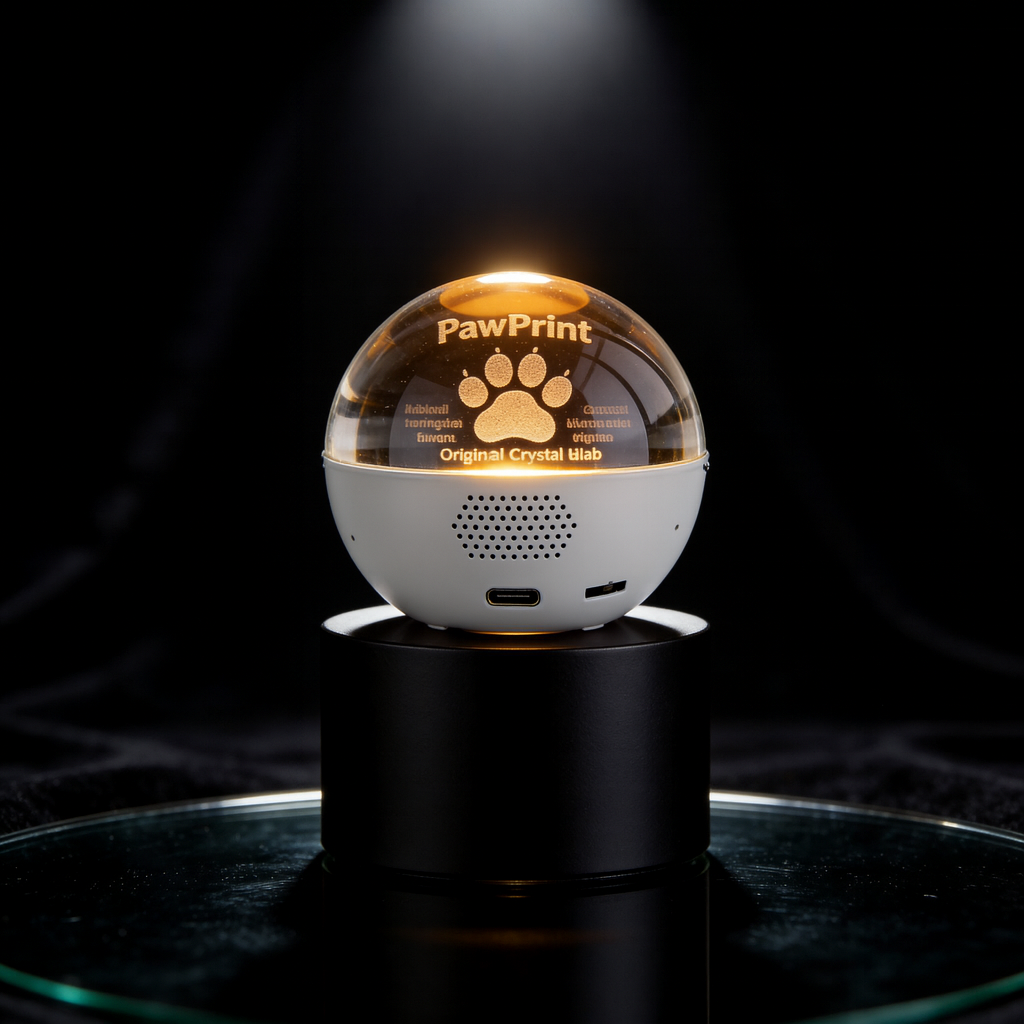
Memory ball gift: a tactile keepsake they can hold
The Memory Ball concept transforms the ancient human need for comfort objects into modern memorial practice. Imagine a soft, squeezable sphere that plays a recorded memory when gently compressed—perhaps their laugh, a favorite saying, or a message they recorded for future comfort. The physical act of holding and squeezing provides immediate solace while the audio content deepens the connection.
Design variations accommodate different comfort preferences. Wooden orbs offer natural warmth and durability, developing patina through handling that marks the passage of healing time. Fabric spheres filled with lavender or their favorite perfume add aromatherapy elements that trigger additional sensory memories.
Pair memory balls with curated photo reels—compact accordion-style photo strips that unfold to reveal carefully selected images. This combination creates a complete sensory experience: tactile comfort, audio connection, and visual storytelling contained in a package small enough to carry anywhere.
These interactive photo gifts work particularly well for children processing loss, elderly family members who benefit from tactile stimulation, or anyone who finds comfort in having something substantial to hold during waves of grief. They provide agency—the recipient controls when and how to engage with the memory contained within.
"Keep their smile close" gifts for everyday solace
Miniaturization allows precious images to travel seamlessly through daily life. Custom keychains with tiny, high-quality prints survive the wear of regular use while keeping beloved faces literally close at hand. Wallet-sized prints with protective lamination fit behind driver's licenses or credit cards, creating surprise moments of connection during routine transactions.
QR story links on small, durable materials create "emergency" access to comfort content. A small card tucked in a purse or wallet might link to a recording of encouraging words, a favorite shared song, or a gallery of their most radiant smiles. These digital lifelines prove invaluable during unexpectedly difficult moments when grief strikes in public spaces.
Consider creating seasonal or occasion-specific pieces that acknowledge how grief changes over time. A small ornament containing holiday memories, a bookmark with their favorite quote, or a garden marker celebrating their love of growing things—each serves different moments in the ongoing journey of remembrance.
The goal is creating gifts they'll never forget—not through elaborate complexity, but through thoughtful integration into daily life. The most powerful memorial objects become part of natural routine, offering consistent comfort without demanding constant emotional engagement.